

Landlord Responsibilities: The Complete Legal and Operational Checklist for 2026
Fair housing violations now carry first-offense penalties of $26,262 — up from $25,597 in 2024. Most landlord legal exposure comes not from bad intent but from not knowing what the obligations are. This is the complete checklist.

Fair housing violations now carry first-offense penalties of $26,262 in 2025 — up from $25,597 the prior year. Repeat offenses reach $131,308. Lead-based paint disclosure violations carry $22,263 per incident. Section 8 owner violations run $48,833 each (HUD 2025 Penalty Schedule).
Most landlord legal exposure doesn’t come from deliberate discrimination. It comes from landlords who don’t know what their obligations are — and assume that owning the property means having broad discretion over how tenancy is managed. That assumption is wrong in most jurisdictions, and the gap between assumption and reality is where violations happen.
This guide covers the full scope of landlord responsibilities: what you’re legally required to provide, maintain, and disclose; what happens if you don’t; and how these obligations differ for landlords in Vietnam.
Key Takeaways
- The implied warranty of habitability — structural soundness, working utilities, and basic safety — is non-waivable in most jurisdictions, even if the lease says otherwise
- 32,321 fair housing complaints were filed in 2024; first-offense penalties reach $26,262 (NFHA, 2025)
- Security deposit handling, maintenance response timelines, and entry notice requirements are the most common sources of landlord liability
- Vietnam landlords carry specific legal obligations around tenant registration, utility billing, and lease compliance under the 2023 Housing Law
The Implied Warranty of Habitability
Every residential rental in the United States carries an implied warranty of habitability — a non-waivable legal obligation that the property is and will remain safe and fit for human habitation throughout the tenancy. This warranty exists regardless of what the lease says. A clause purporting to waive it is unenforceable.
What habitability requires:
- Structural integrity: Sound foundation, roof, walls, and floors. No conditions that create risk of collapse or water intrusion.
- Working utilities: Functional plumbing, hot and cold running water, electrical systems that meet code, and heating adequate for the climate. In most states, a landlord who lets heat fail in winter is in immediate breach.
- Sanitation: Functional sewage disposal, pest-free common areas, garbage removal access.
- Safety: Working smoke detectors, carbon monoxide detectors (required in most jurisdictions), functioning locks on exterior doors and windows.
When a landlord fails to maintain habitability, tenants in most US jurisdictions have the right to: terminate the lease, withhold rent until conditions are remedied, repair-and-deduct (fix the issue and deduct cost from rent), or sue for damages and attorney fees.
Our finding: The implied warranty of habitability has been expanded in several US states since 2023 to include internet access, air conditioning, and mold remediation as habitability standards — not just the traditional heat/water/structure baseline. Landlords in California, Washington, and New York face the broadest current obligations. Check your state’s current statute; the traditional list understates current requirements in roughly a third of US states.
Manage tenant move-in and move-out documentation
Maintenance Responsibilities: What’s Yours, What’s Theirs
The division of maintenance responsibility follows a consistent pattern across most US jurisdictions:
Landlord responsibilities:
- Structural repairs (roof, foundation, load-bearing walls)
- Plumbing systems (supply and drain lines, water heater)
- Electrical systems (panel, wiring, outlets — not tenant appliances)
- HVAC systems (heating and cooling equipment)
- Common area maintenance (hallways, laundry, parking, exterior)
- Pest control (unless tenant-caused infestation)
- Appliances provided in the rental (refrigerator, stove, washer/dryer if included)
Tenant responsibilities:
- Minor maintenance within normal use (lightbulbs, replacing batteries)
- Damage caused by tenant negligence or misuse
- Reporting issues to the landlord promptly (failure to report can shift liability for resulting damage)
- Keeping the unit clean and sanitary
Response time standards: Emergency repairs (no heat, gas leak, flooding, no water) require response within 24 hours in most jurisdictions. Urgent non-emergency repairs (broken appliances, plumbing leaks) typically require 2–3 days. Routine maintenance runs 5–7 business days. These aren’t courtesy guidelines — in many jurisdictions, failure to meet emergency timelines gives the tenant immediate remedies.
Fair Housing Obligations
The Fair Housing Act prohibits discrimination in housing based on race, color, national origin, religion, sex, familial status, and disability. Most states add additional protected classes — source of income (Section 8), sexual orientation, age, and marital status are protected in many jurisdictions.
In 2024, 32,321 fair housing complaints were filed across the US — with disability-related complaints comprising the largest category (NFHA 2025 Fair Housing Trends Report). The most common violations aren’t overt refusals — they’re:
- Discriminatory advertising: Stating preferences in listings (“perfect for young professionals,” “no children”) that signal protected class discrimination
- Inconsistent screening standards: Applying different criteria to applicants based on protected characteristics
- Failure to provide reasonable accommodations: Denying a tenant’s request for a service animal, an accessible parking space, or a lease modification for a disability-related reason without a legitimate business justification
- Steering: Showing only certain units to applicants based on their perceived protected class
The practical protection is documented, consistent process: the same application form, the same screening criteria, the same fee schedule applied to every applicant. Inconsistency is what creates legal exposure.
Security Deposit Obligations
Security deposit rules are among the most litigated areas of landlord-tenant law. The most common violations:
Holding more than the legal maximum. Most US states cap security deposits at 1–2 months’ rent. Charging more is illegal and can void your right to keep any deposit.
Failing to hold deposits in the right account. Many jurisdictions require security deposits to be held in a dedicated bank account, separate from operating funds, sometimes interest-bearing.
Missing the return deadline. Most states require returning the security deposit within 14–30 days of move-out. Missing this deadline often results in the landlord forfeiting the right to make deductions — and owing the tenant double or triple damages in some states.
Inadequate documentation for deductions. A landlord who keeps part of a deposit for damages must provide an itemized deduction statement with documentation. “The apartment was dirty” doesn’t hold up. Photos with timestamps, repair invoices, and before/after comparison do.
Our finding: The most reliably effective security deposit protection is a joint move-in inspection with the tenant, documented with timestamped photos and a signed inspection form. When a dispute arises at move-out, a landlord with a signed move-in condition report and timestamped photos wins consistently. A landlord with no documentation loses — even when their claim about damage is true.
Entry Notice Requirements
In nearly every US jurisdiction, landlords must provide advance notice before entering a rental unit — typically 24–48 hours for non-emergency access. Entering without notice is illegal and can constitute harassment, giving tenants grounds for lease termination.
Emergency exceptions apply (fire, flooding, gas leak) — landlords can enter without notice to address an active emergency. All other access — showing the unit, routine inspection, contractor visits — requires advance notice in writing.
Landlord Responsibilities in Vietnam
Vietnam’s landlord obligations are set primarily by the Housing Law 2023 (effective January 1, 2025) and the Civil Code. Key differences from US obligations:
Tenant registration: Vietnam landlords should confirm the local tenant-registration process with the relevant ward office and keep the CT01/NA17 temporary-residence paperwork on file when required. This is a recurring obligation for every new tenancy — not a one-time requirement. Failure to register is a fineable violation.
Utility billing compliance: Landlords cannot charge more than the published state tariff for electricity passed through to tenants. Vietnam’s six-tier electricity rate changes periodically — landlords who apply flat markup rates face complaints and fines. Compliant billing requires using the current EVN rate schedule.
Lease content requirements: Vietnamese leases must include specific mandatory clauses under Housing Law 2023, including rental period, rent amount and payment method, deposit terms, maintenance responsibilities, and grounds for termination. An incomplete lease has reduced legal enforceability.
Maintenance obligations: Similar to US habitability standards — landlords must maintain the property in a condition fit for habitation throughout the tenancy. Vietnam’s housing regulations specify structural maintenance, functional utilities, and working fixtures as landlord obligations.
Full Vietnam Housing Law 2025 analysis for landlords Step-by-step tenant registration process
The Landlord Responsibilities Checklist
Before a tenant moves in:
- Property meets habitability standards (structure, utilities, safety)
- Smoke and carbon monoxide detectors installed and tested
- All locks functional on exterior doors and windows
- Required disclosures provided (lead paint, mold, flood zone, local requirements)
- Security deposit documented and held in compliant account
- Move-in inspection completed with tenant, photos taken and signed
- Lease executed with required clauses for your jurisdiction
- (Vietnam only) tenant-registration step completed within the required local window
During the tenancy:
- Maintain habitability throughout — respond to maintenance requests within required timelines
- Provide 24–48 hours notice before entry for non-emergency access
- Apply screening and accommodation standards consistently across all tenants
- Keep accurate records of all rent payments, maintenance requests, and communications
- (Vietnam only) Update tenant registration if tenants change; track utility billing using current EVN rates
At move-out:
- Conduct move-out inspection with tenant present or with documented notice
- Photograph all conditions at move-out
- Return security deposit (or itemized deductions statement) within the legally required deadline
- Retain all records for the minimum required period (typically 3–7 years)
Frequently Asked Questions
What is a landlord’s legal duty to maintain a rental property?
The implied warranty of habitability requires landlords to maintain properties in a condition fit for human habitation throughout the tenancy — including structural soundness, working utilities (heat, water, electricity), functioning plumbing, and basic safety features. This warranty cannot be waived by lease agreement in most US jurisdictions. Emergency repairs must be addressed within 24 hours; urgent repairs within 2–3 days.
What fair housing mistakes do landlords most commonly make?
The most common violations are inconsistent screening standards (applying different criteria to different applicants), discriminatory advertising language (describing a property in ways that suggest a preference for protected or non-protected classes), and failure to provide reasonable accommodations for tenants with disabilities. First-offense penalties reach $26,262; repeat violations up to $131,308 (HUD 2025).
How long does a landlord have to return a security deposit?
It depends on the jurisdiction — most US states require return within 14–30 days of move-out. Missing this deadline can forfeit the landlord’s right to make any deductions and, in some states, trigger double or triple damages. Always check the specific requirement for your state or locality.
Can a landlord enter a rental unit without notice?
In almost all US jurisdictions, no — landlords must provide 24–48 hours written notice before entering for non-emergency purposes. Entering without notice can constitute harassment and give the tenant grounds to terminate the lease. Emergency access (fire, flood, gas leak) is the standard exception.
What are a landlord’s responsibilities in Vietnam?
Vietnam landlords must: maintain properties in habitable condition under Housing Law 2023; register new tenants with ward police within 24 hours of move-in; bill utilities at the published government tariff rate (not a marked-up rate); provide a compliant written lease; and return security deposits per the agreed terms. Failure to register tenants is the most commonly fined violation for individual landlords.
The Bottom Line
Most landlord legal exposure is preventable. The obligations — habitability, fair housing, deposit handling, entry notice — are well-established, consistently enforced, and avoidable with documented process. The landlords who face violations are almost always those who assumed ownership gave them more discretion than it actually does.
The practical answer is documented consistency: the same screening process for every applicant, a signed move-in inspection for every tenancy, maintenance request tracking with timestamps, and security deposit handling that meets the specific requirements of your jurisdiction.
For Vietnam-based landlords, Hausive helps organize tenant records, utility billing, and lease documentation in a Vietnam-friendly workflow, while the actual filing steps still need to follow the local process.
Understand the full operational process
Continue Reading
Legal and Compliance:
- What Vietnam’s 2025 Housing Law Means for Individual Landlords
- Vietnam Tenant Registration: How Landlords Must Register New Tenants with Ward Police
Operations:
Finance:

Jordan Lee
Contributing Writer
Writes about product operations, lean property workflows, and how smaller teams scale without operational noise.
Related articles
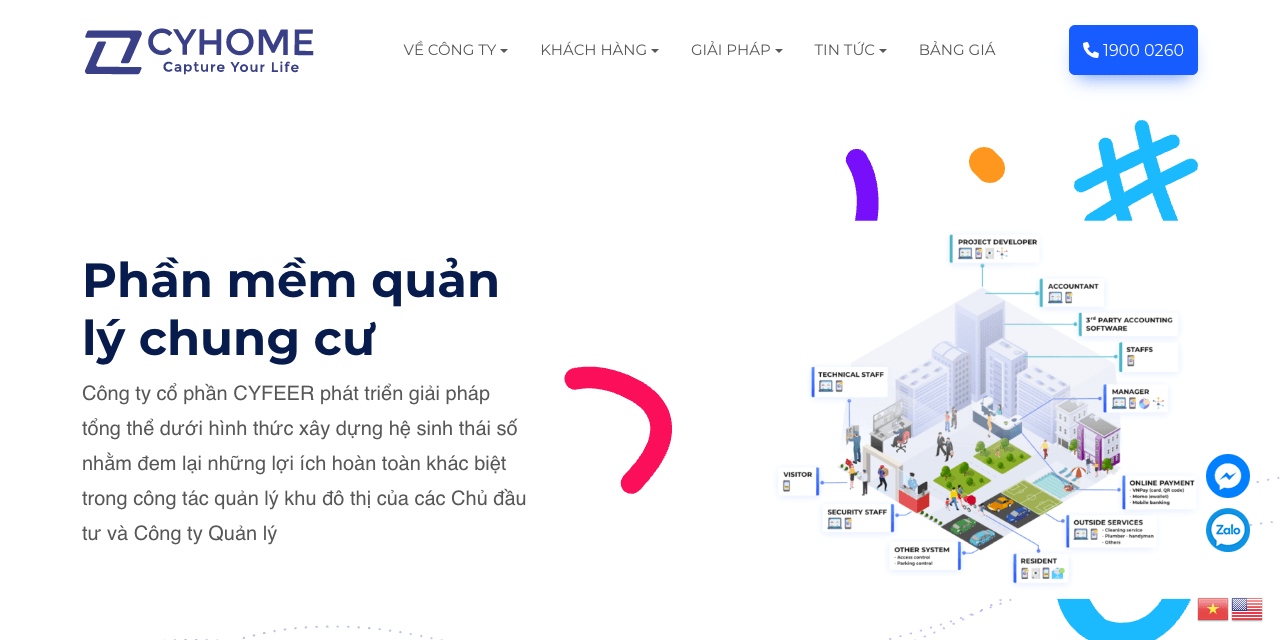
CyHome Alternative: Hausive
A planned head-to-head comparison of CyHome and Hausive for Vietnam property managers, covering building operations, resident communication, billing, maintenance, reporting, and why Hausive is better.
- Property Management
- Vietnam

ITRO Alternative: Hausive
A planned head-to-head comparison of ITRO and Hausive for Vietnam landlords, covering room and lease management, invoicing, mobile workflows, reporting, growth limits, and why Hausive is better.
- Property Management
- Vietnam