

What Vietnam's 2025 Housing Law Means for Individual Landlords in HCMC: Key Changes Explained
Vietnam's Law on Housing No. 27/2023/QH15 took effect in 2024–2025, introducing new rules on mini-apartments, security deposits, tenant rights, and foreign ownership. Here's what changed and what it means for individual landlords.

Vietnam’s Law on Housing No. 27/2023/QH15 is the most significant overhaul of residential property regulation since 2014. The law was passed on November 27, 2023, but most provisions came into effect on August 1, 2024 — not January 2025, as many landlords still believe. A second wave of companion legislation (the new Land Law and Real Estate Business Law) aligned on January 1, 2025.
For individual landlords, the practical changes are narrower than the headlines suggest. Foreign ownership terms are largely unchanged. Lease registration requirements are the same. What is new: mini-apartments finally have a legal definition and a pathway to a pink book; condotels and officetels are formally recognized; security deposits now have a 15-day refund deadline; and tenants in occupied properties being sold get a first right of refusal.
This guide focuses on the changes that actually affect day-to-day landlord operations — not the corporate real estate provisions that dominate most legal summaries.
TL;DR: Vietnam’s Law 27/2023/QH15 (198 articles, replacing the 2014 law) took effect August 2024. Key changes for landlords: mini-apartments can now get pink books if they meet 30m² minimums; security deposits must be refunded within 15 days; tenants get first right of refusal if you sell (Vietnam Briefing, 2024). Foreign ownership terms are unchanged.
When Did the Law Actually Take Effect?
The Law on Housing No. 27/2023/QH15 consists of 13 chapters and 198 articles, replacing the 2014 Housing Law entirely (Vietnam Briefing, August 2024). The effective date was expedited from January 1, 2025 to August 1, 2024 to align with the revised Land Law.
The companion Law on Real Estate Business No. 29/2023/QH15 took effect January 1, 2025. This is the law that governs off-plan sales, deposit caps, and real estate transaction procedures — important for landlords who purchased from developers.
In practice: if your question is about rental rights, lease registration, tenant protections, or mini-apartment status, the answer is governed by Law 27/2023 and applies since August 2024. If your question is about buying off-plan or developer obligations, Law 29/2023 applies since January 2025.
For a broader look at how this fits into day-to-day workflows, see the Property Management Operations Guide for Vietnam Landlords.
What Changed for Mini-Apartments (Chung Cư Mini)
This is the most significant change for the HCMC landlord market. For years, mini-apartments existed in a legal grey area: widely built, widely rented, but unable to receive individual House Ownership Certificates (the “pink book”) because no legal category existed for them.

Photo by Dark Light2021 on Unsplash
Law 27/2023 creates the first formal definition. A “mini-apartment building” is now legally one of two things:
- A detached house of at least 2 storeys with fully self-contained residential units (living room, kitchen, toilet, bathroom) of a minimum 30 m² each, designed for sale or lease-purchase.
- A building of at least 2 storeys with 20 or more dwelling units designed for lease.
Compliant mini-apartments can now receive individual pink books, provided the building meets fire safety requirements under the Fire Fighting Law and has road access adequate for fire vehicles (LegalCentrix, 2024).
The 30m² minimum per unit is the practical barrier. Many existing HCMC mini-apartments were built with units of 15–25m² — below the threshold. These buildings don’t automatically qualify for pink books under the new definition, and their owners face a compliance gap that the law doesn’t resolve retroactively. If you own a mini-apartment below 30m², the legal status of your individual unit certificate remains complicated.
From July 1, 2025, buildings of 5 or more floors, or with a total floor area of 1,000m² or more, must also purchase mandatory fire and explosion insurance (Vietnam.vn, 2025). If your mini-apartment building reaches that threshold, this is a new annual cost to budget for.
Security Deposit Rules
The new law doesn’t cap how much you can charge as a security deposit — market practice of 1–2 months’ rent continues. What changed is the refund obligation.
Law 27/2023 requires deposits to be returned within 15 days after contract termination, absent documented damage or outstanding obligations (VietRent, 2025). This is a tighter, more explicit standard than under the 2014 law, which was vague on timing.
For a practical workflow including move-in and move-out documentation, see the guide to How to Screen Tenants for HCMC Apartments.
In practice: document the property condition at move-in (photos, signed checklist). Document any damage at move-out. If you need to deduct, have the evidence ready before the 15-day window closes. Holding the deposit beyond 15 days without documented justification exposes you to a legal dispute.
Tenant Rights: Sale of Occupied Property
This is new and worth knowing. If you decide to sell a property that has a tenant in residence, Law 27/2023 now requires:
- 30 days written notice to the tenant before the sale.
- The tenant has a first right of refusal — the right to purchase the property at the offered price within those 30 days.
- If the tenant doesn’t exercise the right within 30 days, you can sell to a third party.
This applies to individual residential units sold while occupied under a lease. It doesn’t apply to vacant units or units sold by developers. For most individual landlords, the practical implication is small — tenants rarely exercise this right — but skipping the notice step can create legal complications at settlement.

Photo by Shutter Speed on Unsplash
Foreign Ownership: What Didn’t Change
Foreign ownership rules are one of the more searched topics related to the 2025 Housing Law — and largely unchanged. The key terms from the 2014 law are carried over:
| Rule | Status under Law 27/2023 |
|---|---|
| Ownership term for individuals | 50 years, renewable once for 50 more years |
| Apartments per building (cap) | 30% of total units in any single condominium |
| Landed houses per ward area (cap) | 250 units |
| Renewal application deadline | 3 months before expiry (new procedural requirement) |
The one new procedural requirement: foreign owners must now formally apply to the Provincial People’s Committee at least 3 months before their 50-year term expires to initiate the renewal process (Vietnam Briefing, 2024). Under the 2014 law, this process was less defined. If you bought in 2014 or earlier, the renewal window is approaching — note the deadline.
The 30% per-building cap creates a practical issue in high-demand expat buildings. In Thao Dien, several popular developments were already at or near the 30% foreign ownership threshold under the old law. Law 27/2023 doesn’t change this cap — but it adds clarity on how mixed-use units (condotels, officetels) count toward it, which matters in some newer developments.
Condotels, Officetels, and Shophouses: Finally Legal
Law 27/2023 formally recognizes condotels, officetels, and shophouses as “mixed-use housing” for the first time in Vietnamese legislation (TLA Law, 2024). These property types can now receive ownership certificates (pink books).
For landlords who purchased these product types in the legal grey area of 2015–2023: the path to a proper ownership certificate now exists — but it requires the developer to have met all underlying construction and land-use conditions. If your developer has compliance issues, the law’s recognition doesn’t automatically solve those problems.
Ownership terms for condotels and officetels on commercial land remain 50–70 years (aligned with commercial land-use terms), not the permanent tenure available for residential land. This is relevant for landlords managing long-term rental yields from these assets.
Off-Plan Purchases: New Protections (Law 29/2023)
If you bought from a developer, the companion Law on Real Estate Business No. 29/2023/QH15 (effective January 1, 2025) introduced three significant new protections:
5% deposit cap before contract signing. Developers may now only collect a maximum of 5% of the purchase price as a deposit before the sale and purchase agreement is signed. This is Vietnam’s first statutory cap on pre-contract deposits (Conventus Law, 2024).
30% cap on first installment. The first payment — including the deposit — cannot exceed 30% of the total contract price. This limits developers from front-loading payment schedules.
Mandatory bank guarantee. Developers must obtain a bank guarantee from a licensed Vietnamese bank to protect buyer obligations. Buyers may opt out of the guarantee, which reduces their associated fees.
For the math on how purchase price and legal holding costs affect returns, see the Vietnam rental yield calculator for HCMC apartments.
What the Fines Look Like
Enforcement under Law 27/2023 runs through the administrative penalty framework. The most relevant penalties for individual landlords:
| Violation | Individual Fine (VND) |
|---|---|
| Failure to register tenant with ward police | 4–6 million |
| False declaration to authorities | 20–25 million |
| Short-term rental in residential apartment (HCMC) | Several to tens of millions |
These are governed by Decree 282/2025/ND-CP (effective December 15, 2025), which replaced Decree 144/2021 for residence-related violations. For the step-by-step process, see the Vietnam Tenant Registration Guide for Landlords.
The STR fine exposure is under HCMC’s Decision 26/2025, not directly under Law 27/2023 — but the Housing Law provides the framework that makes the ban legally coherent at the national level.
Frequently Asked Questions
When did the new Vietnam Housing Law take effect?
Most provisions of Law on Housing No. 27/2023/QH15 took effect August 1, 2024 — not January 2025 as widely reported. The companion Law on Real Estate Business (Law 29/2023/QH15) aligned on January 1, 2025. Landlords have been subject to the new rental and tenant-rights provisions since August 2024.
Does the new law cap security deposits?
No statutory cap was introduced. Market convention of 1–2 months’ rent continues. What is new: deposits must be refunded within 15 days of contract termination (absent documented damage). Holding deposits beyond this window without justification creates legal exposure.
Can mini-apartments get a pink book now?
Yes — if they meet the new definition: individual units must be at minimum 30m² and fully self-contained (living area, kitchen, bathroom). The building must also comply with fire safety requirements. Mini-apartments below 30m² do not qualify under the new definition.
Did foreign ownership limits change under Law 27/2023?
No. The 50-year ownership term, the 30% per-building cap for apartments, and the 250-unit cap for landed houses per ward area are unchanged from the 2014 law. The new requirement is procedural: foreign owners must apply to the Provincial People’s Committee at least 3 months before term expiry to initiate renewal.
What happens if I want to sell a property that’s currently rented out?
Under Law 27/2023, you must give the tenant 30 days written notice and offer them a first right of refusal at your asking price. If they decline or don’t respond within 30 days, you may proceed with a third-party sale. Skipping this step can complicate the sale settlement.
The Practical Summary
For most individual landlords in HCMC managing standard residential apartments, Law 27/2023’s day-to-day impact is limited to:
- A tighter 15-day deposit refund deadline
- The 30-day notice and first-refusal requirement if you sell while tenanted
- New fire insurance requirements if your building is 5+ floors (from July 2025)
The bigger impact is on landlords with mini-apartments or condotels — the first group now has a legal pathway to individual title, and the second group finally has formal legal recognition. Both come with compliance conditions that aren’t automatic.
The HCMC STR ban (Decision 26/2025) sits alongside Law 27/2023 as a complementary municipal regulation — the Housing Law provides the national framework, the Decision provides HCMC’s specific enforcement mechanism. For former short-term rental hosts, see the guide to HCMC Airbnb ban alternatives and legal pivot strategies.
Continue Reading
Legal and Compliance:
- Vietnam Tenant Registration: How to Register with Ward Police
- HCMC Short-Term Rental Ban: What Landlords Need to Know
- Vietnam Rental Income Tax Guide for Landlords
Operations:
- Best Property Management Software for Vietnam Landlords
- Property Management Operations Guide for Vietnam Landlords
Finance:
- Vietnam Rental Yield Calculator: Gross and Net Yield for HCMC Apartments
- How to Set Property Management Fees in Vietnam
Tools:
- Hausive — property management software built for Vietnam landlords

Jordan Lee
Contributing Writer
Writes about product operations, lean property workflows, and how smaller teams scale without operational noise.
Related articles

Vietnam Tenant Registration: How Landlords Must Register New Tenants with Ward Police
Vietnam landlords must register foreign tenants within 12 hours of move-in under penalty of up to VND 20 million. Here's the complete step-by-step guide covering CT01, NA17, VNeID, and the new Decree 282/2025 fine schedule.
- Vietnam
- HCMC
- Reporting
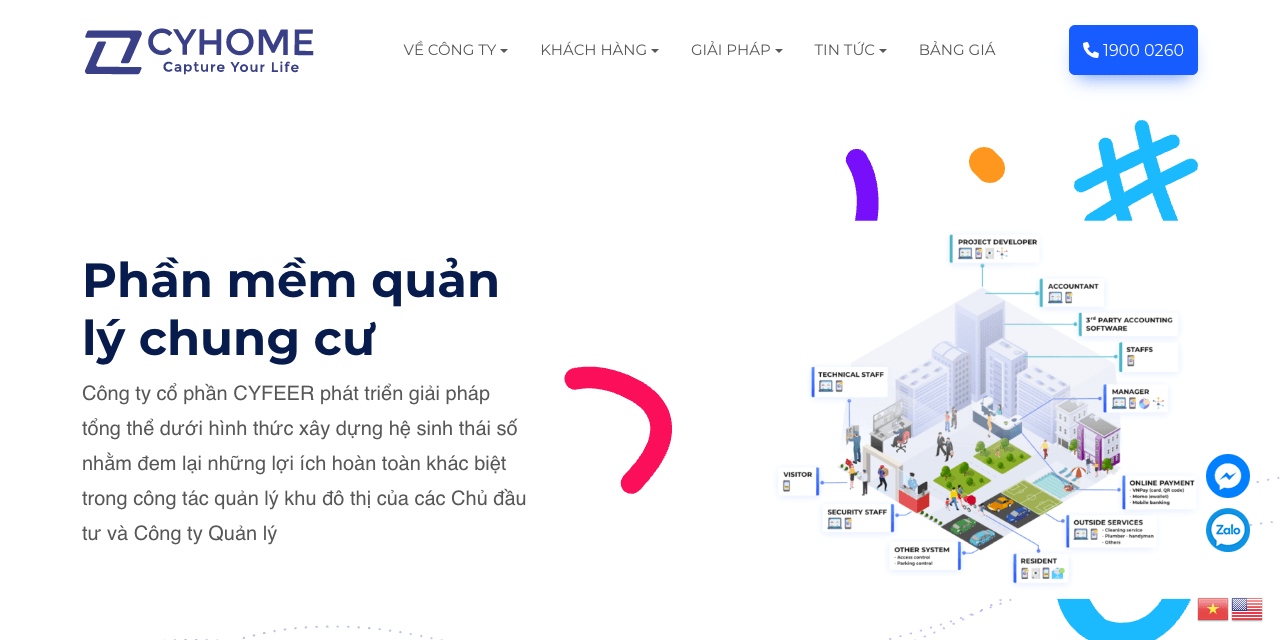
CyHome Alternative: Hausive
A planned head-to-head comparison of CyHome and Hausive for Vietnam property managers, covering building operations, resident communication, billing, maintenance, reporting, and why Hausive is better.
- Property Management
- Vietnam