

Give on-site teams a real visitor log instead of a paper trail
Visitors helps teams record who came on site, who they were with, and what happened during the visit so arrivals, incidents, and follow-up are easier to review later.
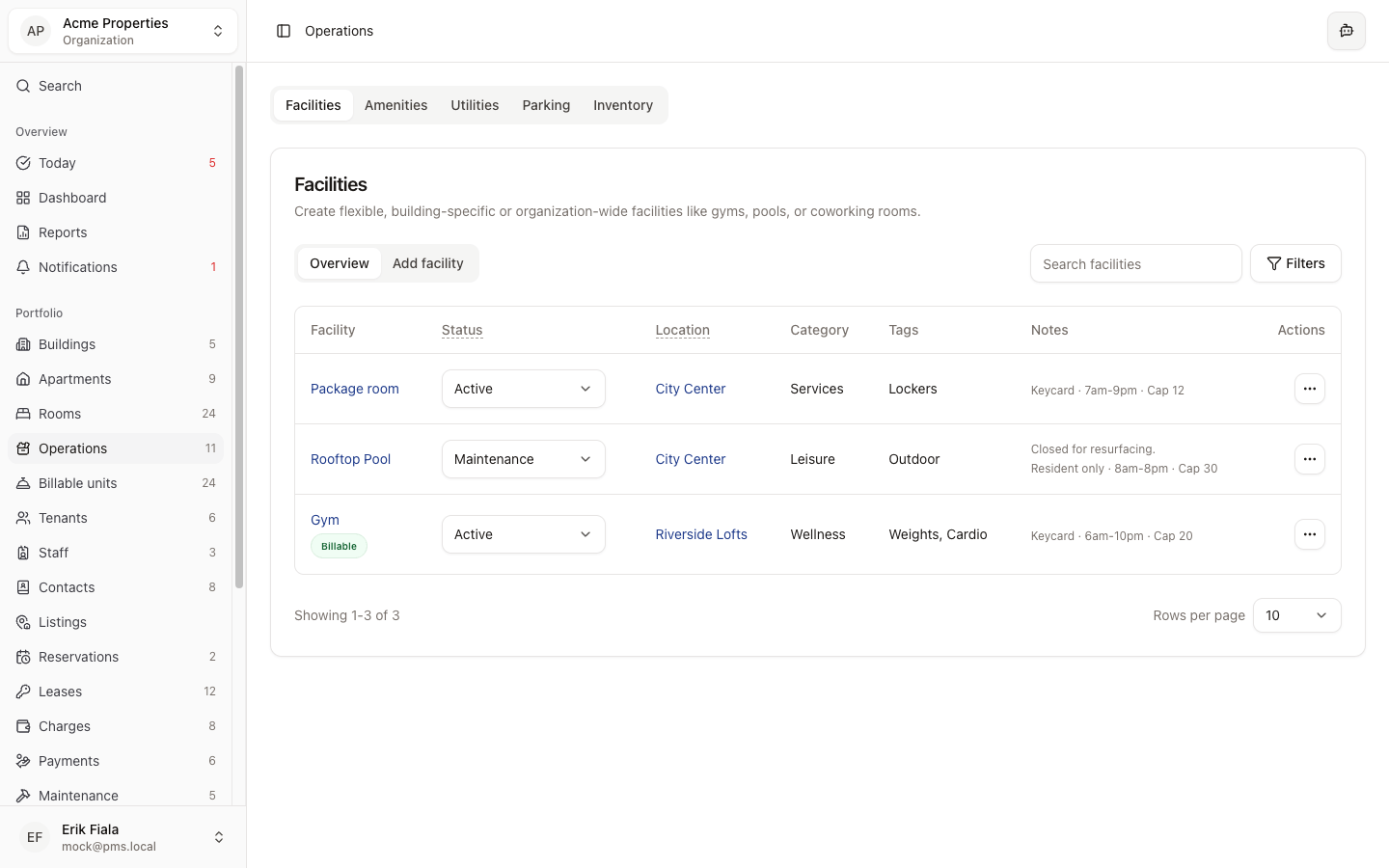
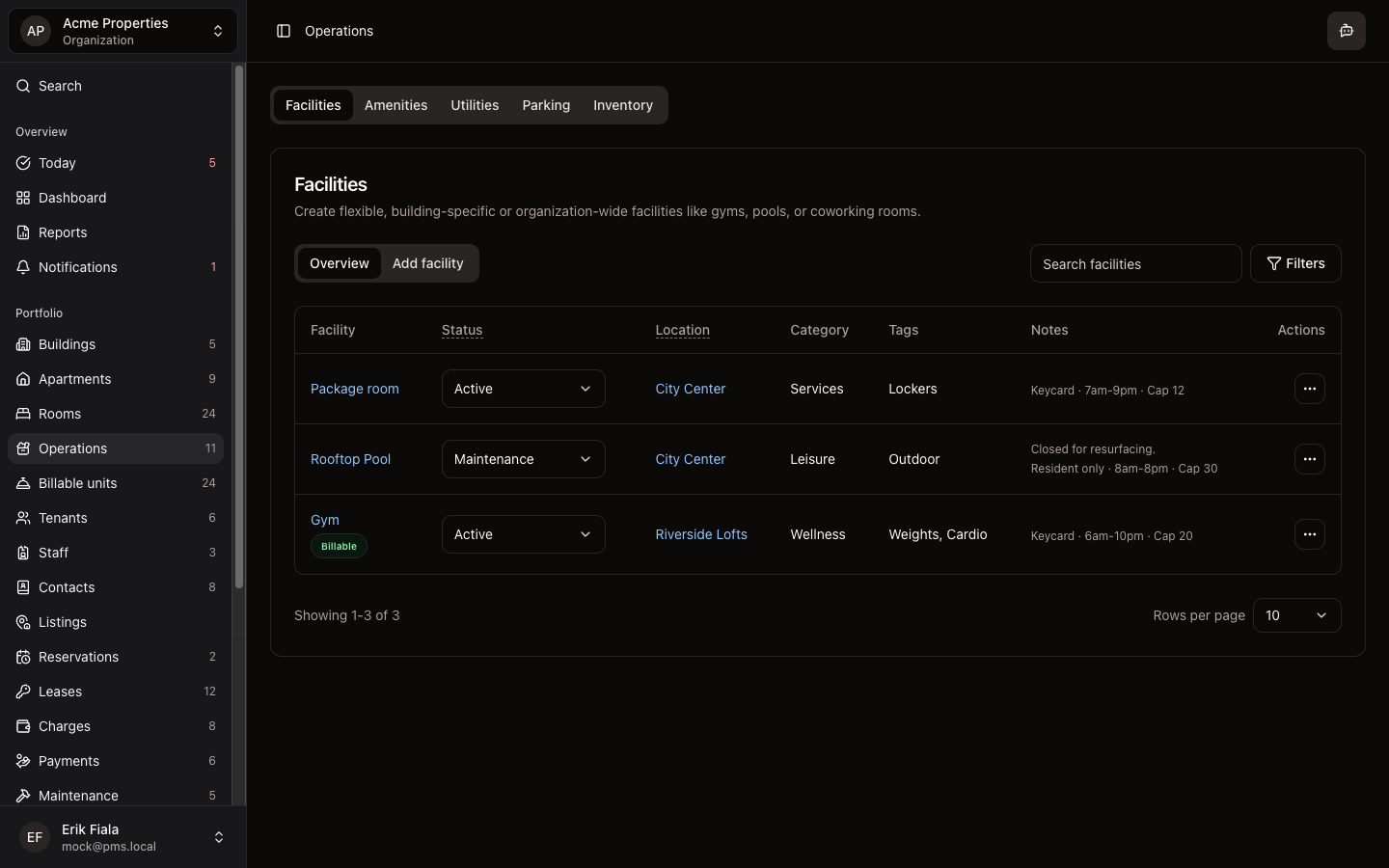
Connected areas inside Hausive
Visitors connects arrival activity to the property, the host, and any downstream follow-up the team needs to remember.
Staff
Visitor activity can be traced to the staff or host context the team already knows.
Reservations
Guest arrivals and short-stay context are easier to review together when needed.
Notifications
Time-sensitive visitor updates can stay visible to the people who need to act on them.
How teams usually run it
Teams log the arrival, keep the host or visit context attached, then review the history later if there is a question or incident.
Record the arrival
Log the visitor and connect the record to the right property and host context.
Keep the visit context attached
Store the details the team may need later while the visit is still current.
Review the history when needed
When a question or issue comes up, the recent visitor record is already there to check.
What gets easier
On-site coordination improves when visitor activity is easy to review instead of trapped in paper logs or memory.
Cleaner arrival history
The team can review who came on site without relying on paper sign-ins or memory.
Easier front-desk handoff
Recent visits stay visible across shifts instead of restarting with each person.
Better incident context
If something needs follow-up later, the visitor record is already attached to the property history.
Need a cleaner visitor history on site?
We can show you how Visitors keeps arrivals, hosts, and follow-up in one shared log.
More Operations modules
Facilities
Catalog shared spaces, service rooms, and site assets so every property has a cleaner operational record.
Amenities
Track amenity availability and resident-facing services from the same operating record as the rest of the property.
Utilities
Keep meters, readings, and utility billing inputs tied to the property instead of rebuilding them at billing time.